
Where is AI taking us? - Part II
Transition from AI-Assistant like Alexa, Siri etc. to AI-Companion.

“Will AI aid to elevate Humans?” or “Will it lead to the fall of Humans?”
This is a complex and multifaceted issue. First things first, all technology including AI is meant to enhance human capabilities and make tasks easier, more efficient, and more accurate; and not replace humans.
Understanding AI companions.
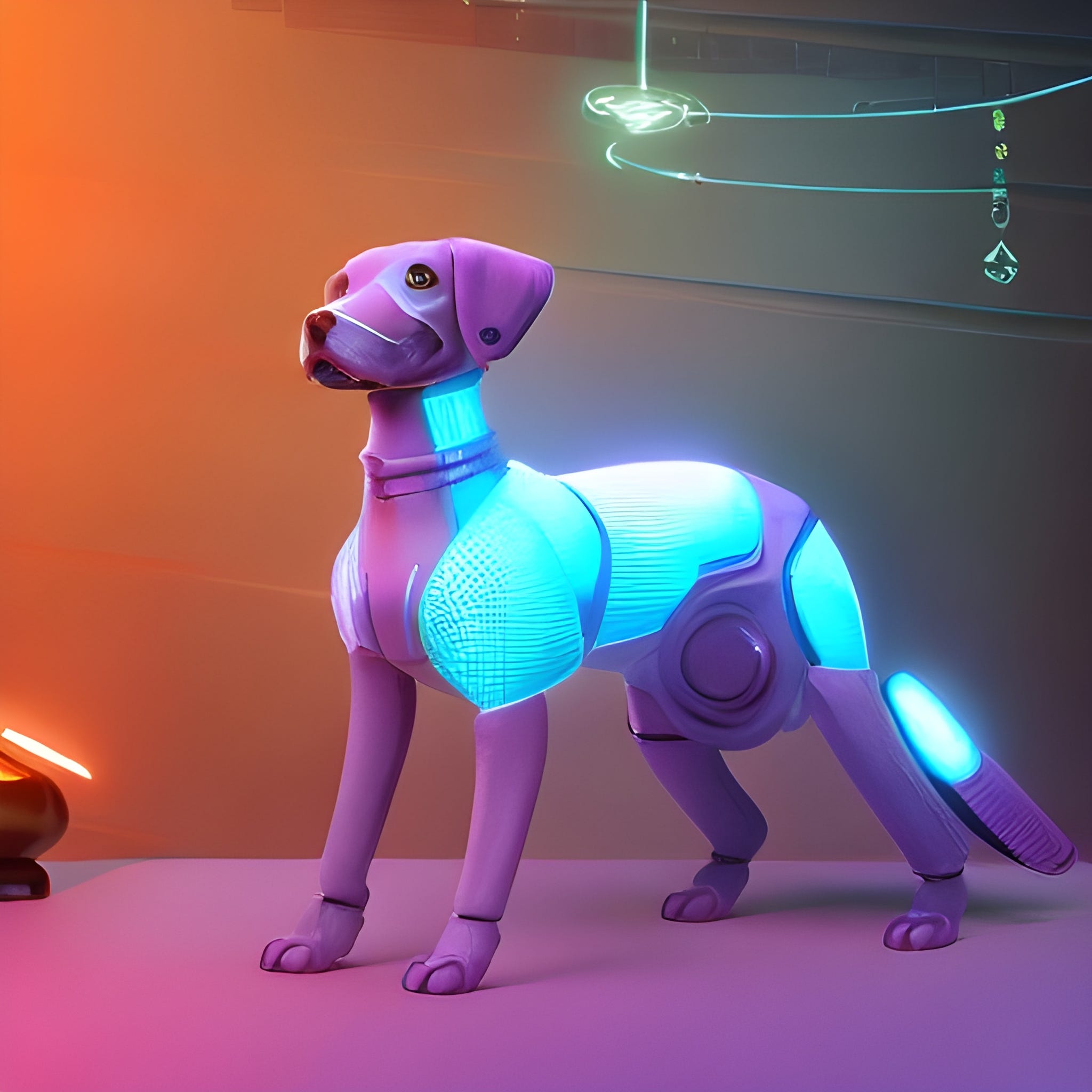
Today even the most advanced AI systems are limited to the data that is fed to the system, this is a huge limitation on the extent to which it can learn. Also, when I say AI companion you can only think of something like Alexa or Siri which best falls in category of AI- Assistant. But, the AI companions can be much more than, what we have currently experienced.
For starters, Alexa and Siri both are voice assistants with a range of capabilities. Alexa can perform tasks like smart home integration, entertainment, and shopping, while Siri can perform tasks like search, navigation, and music. However, both have limitations, including voice recognition issues and privacy concerns for Alexa and limited customization and availability for Siri.
Now, consider a dog that can sense people around it and their emotions. It is able to distinguish emotional facial expressions from neutral expressions, and it can tell happy faces from angry ones. In an experiment where sweat samples from human volunteers who had watched videos designed to cause them fear or happiness were collected; these samples were presented to dogs for sniffing. On monitoring the dogs' behaviours and heart rates, it was found that dogs exposed to human fear smells showed more signs of stress than those exposed to happy or neutral smells. The 'fear sweat' sniffers also had higher heart rates, sought more reassurance from their owners and made less social contact with strangers.
Dogs as companions to humans have various capabilities such as companionship, protection, and assistance, exercise.However, dogs also come with limitations such as safety concerns, allergies, and the limited lifespan. Also, be it a dog or any other pet can only offer limited solutions to the situation due to their own limitations.
Most of AI Assistant today mostly use vioce as input for various reasons like computation, data bandwidth, privacy etc. But AI system which can take multiple inputs from different sensors like a camera, microphone and biological smell sensor (these are in the early stages of development) can offer solutions mimicking a human companion to be called a ‘true AI companion’, yet.
If a humanoid retrained all its learned expressions and emotions of the few individuals around it, with personalized fine-tuning of the network within defined parameters would give that personalized touch. Which comes with enough computation to retrain itself without having to be uploaded to the cloud. Which will also take care of user privacy.
AI robots serving old-age populations are already in action in Japan and a few other countries. We might soon have ‘true AI companions’ as well.
To make it further simple, an AI companion could combine the practical capabilities of a device like Alexa, with the emotional and interactive capabilities of a pet like a dog. It could provide companionship, assistance, and even exercise, while also being customizable and programmable to fit the unique needs and preferences of its owner. With an AI companion, the possibilities are endless, and it could revolutionize the way we interact with technology and each other.
Does this mean AI can replace our friends and social circle?
The answer is NO.
While AI companions and humanoid robots have the potential to aid and support humans, they can definitely not replace the social and emotional connections that we have with other humans. While AI systems may be able to detect emotions and respond in helpful ways, they might still lack the empathy, creativity, and intuition that are essential to human relationships.
We will get to answer where we started in Part III by trying to understand the years of development and progress made by humans with 'Self-Driving Cars'. Stay tuned for part III.